
First Year Insights on Lexington Medical Center’s EmPATH Unit
In September 2024, Lexington Medical Center (LMC) opened its EmPATH unit and ushered in a dramatic shift in how it supports behavioral health patients in crisis.
EmPATH, which stands for “Emergency Psychiatry Assessment, Treatment, and Healing,” is an innovative model of crisis stabilization care that offers a calm, therapeutic environment for patients who arrive at busy emergency departments in need of behavioral health services. Endorsed by the Joint Commission and the National Council for Behavioral Health, these units successfully reduce patient agitation and aggression and alleviate the need for coercive interventions like involuntary medications and physical restraints. They also help avoid costly inpatient admissions of emergency department boarding.
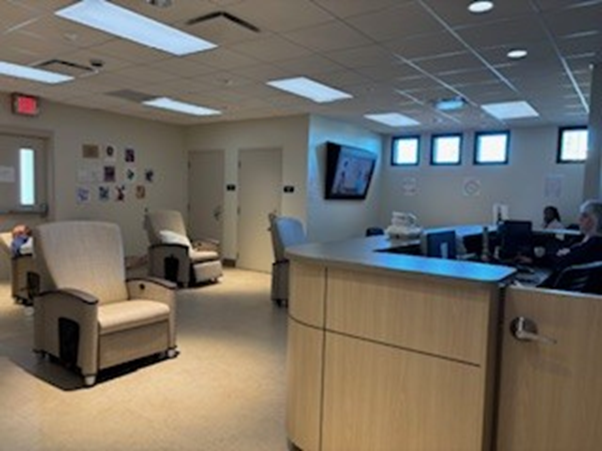
In its first year, nearly 1,600 patients who initially arrived at LMC’s emergency department were treated in this dedicated space, which is staffed by nurses passionate about caring for patients in behavioral health crisis and supported by onsite psychiatry. The average stay is currently just 14.3 hours. Before the EmPATH unit, 79% of behavioral health patients seen in the emergency department were transferred to inpatient facilities. Today, that number has dropped to 48%, with the remaining patients discharged home and connected to ongoing outpatient care.
Jay Hamm, VP of Operations, and Laurie Gregor, EmPATH Nurse Manager, credit daily huddles with clinical staff for keeping operations focused and efficient. Formal partnerships with Lexington County Mental Health—whose staff visit the unit every weekday morning—and The Courage Center, a local substance-use provider, allow for warm handoffs and continuity of care. Very few instances of violence have occurred in EmPATH, and only a handful of patients have needed to return to the emergency department for medical reasons. The team continues to work on reducing time spent in the ED before transfer and shortening the interval to psychiatry consult once patients arrive. As Jay puts it, EmPATH provides “way better care and has been a great success.”
If you’d like to learn more about EmPATH and other examples across South Carolina, please contact Melanie Matney or Elizabeth Harmon at the South Carolina Hospital Association.